

Skip to content
An older couple talking through options with an adviser

Grow census

Fill rooms with high-intent residents, not low-quality leads.

Google, Meta, programmatic, and SEO routed through a senior-living-tuned funnel that turns inquiries into tours, and tours into move-ins. Built per community, because your building at 71% and your building at 96% are not the same problem.

+47% average lift in tour requests in the first 90 days across our IL, AL, and memory care clients.

Four care types, four different problems

Memory care costs roughly twice what independent living costs to fill.

Blending them into one campaign and one budget hides which one is actually working. Here is what each one really costs, using published 2026 benchmarks.

Residents in an independent living community
IL

Independent Living

Cost per lead
$75
range $40-120
Cost per move-in
$2,400
range $1,800-3,200
Decides
The resident, usually with an adult child consulting
Cycle
6 to 18 months

The longest deliberation of any care type, because nothing is forcing the decision. Content and nurture do more work here than paid search does.


An assisted living community
AL

Assisted Living

Cost per lead
$95
range $60-150
Cost per move-in
$3,400
range $2,600-4,500
Decides
The adult daughter, in most cases
Cycle
1 to 6 months

Usually triggered by a fall, a hospital stay, or a caregiver reaching their limit. Speed to lead matters more here than almost anywhere.

A memory care community
MC

Memory Care

Cost per lead
$130
range $80-200
Cost per move-in
$4,600
range $3,500-6,000
Decides
The adult child, often under real distress
Cycle
Days to weeks

The fastest cycle and the most expensive lead. Families are often in crisis, so the tone of the ad and the speed of the callback decide it.

A continuing care retirement community
CCRC

CCRC / Life Plan

Cost per lead
$110
range $70-180
Cost per move-in
$3,000
range $2,400-4,000
Decides
The resident, planning years ahead
Cycle
12 to 36 months

An entry fee decision made by people who research thoroughly. Presales campaigns and depositor nurture run on a different clock entirely.

Benchmark ranges from published 2026 senior living marketing data. Your actual numbers depend on market density, care mix, and competition.

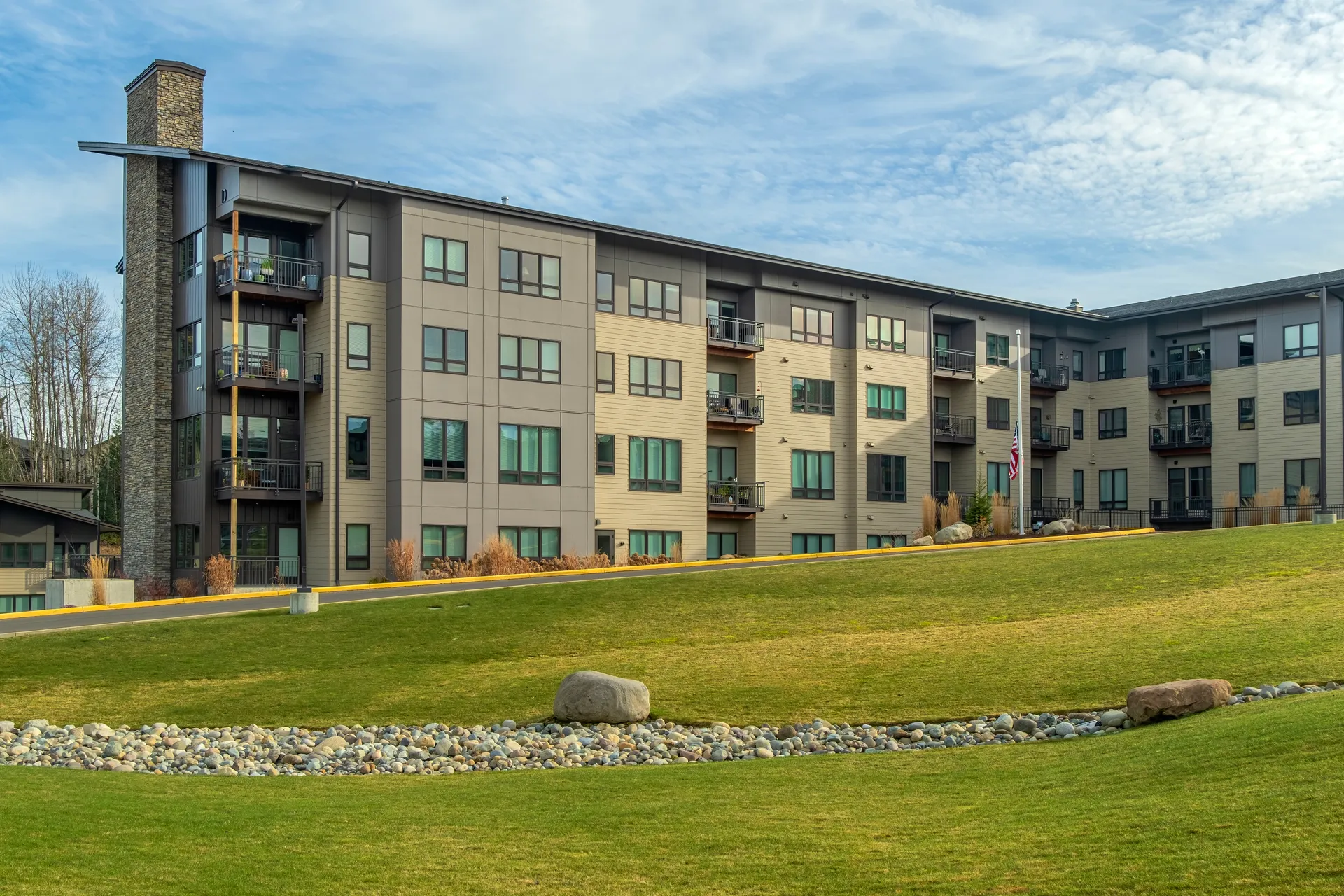
The exterior of a purpose-built senior living community

The category

Who you are actually bidding against.

$151.6M was spent advertising senior living in the twelve months to July 2025, up 7.7%. Two facts inside that number explain most of the opportunity.

62%

of category spend is still TV and print.

Print alone takes 36%, TV another 24%. Search gets 15%. Digital grew 24% year over year while traditional shrank 1%, so the shift is underway, but the category is still buying newspaper space to reach an adult daughter who is researching on her phone at 11pm.

#1

The largest advertiser in senior living is a referral aggregator.

Not an operator. The biggest spender in the category is the middleman that then sells those families back to you at 50 to 100% of first month's rent. Every dollar it spends makes your own demand more expensive to acquire.

Category ad spend and channel mix: MediaRadar 360, August 2024 to July 2025. All sources.

Operator FAQ

The questions we actually get asked.

What is a good cost per lead for senior living?

It depends entirely on the care type, which is why a single blended number is misleading. Published 2026 benchmarks put independent living at $40 to $120 per lead, assisted living at $60 to $150, CCRC at $70 to $180, and memory care at $80 to $200. A figure far below the range for your care type usually signals lead quality problems rather than efficiency.

What does it cost to fill a senior living unit?

Cost per move-in runs roughly $1,800 to $3,200 for independent living, $2,600 to $4,500 for assisted living, $2,400 to $4,000 for CCRC, and $3,500 to $6,000 for memory care. Memory care costs the most to fill and converts the fastest, which is why the two care types cannot share a budget model.

Should we market independent living and memory care the same way?

No. They are different buyers on different clocks. Independent living is sold to the resident over six to eighteen months and rewards brand and content. Memory care is sold to an adult child in days to weeks, usually in a crisis, and rewards search presence and speed of response.

Are referral aggregators worth it for occupancy?

They fill units, but they are also the largest advertiser in the category, and they resell those families to you at 50 to 100% of first month's rent. Every dollar an aggregator spends makes your own demand more expensive to acquire, so the question is what share of your census you are willing to rent rather than own.

Get a free audit

Ready to see your census numbers?

Tell us about your community. We'll pull your current paid, organic, and reputation data and benchmark it against our 100+ community dataset. You keep the readout either way.

Request a free audit

Four questions. One business day.

We'll be in touch within one business day. No contract, no obligation. The readout is yours to keep.

Get a Free Audit